
Ledger® Live: Desktop® — Getting Started | official Ledger™
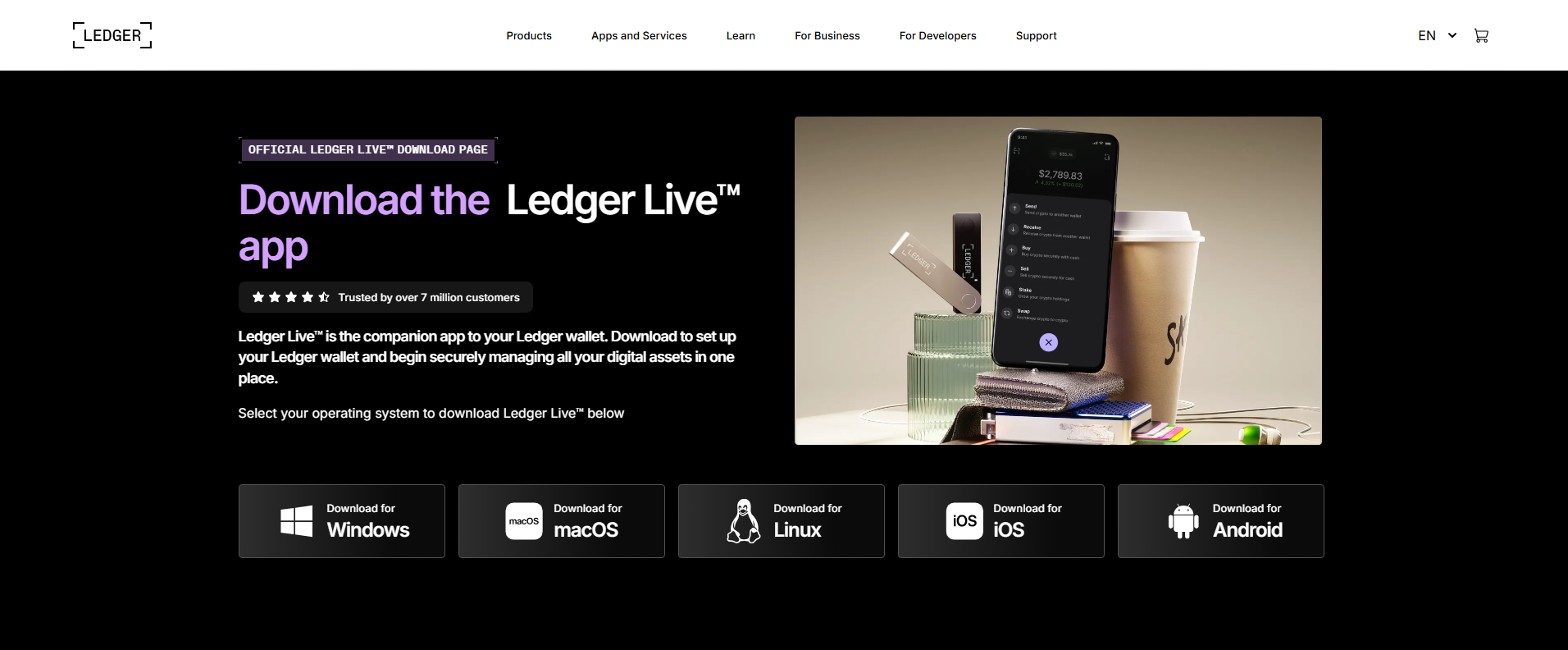
Ledger Live Desktop: Explore a Structured Approach to Crypto Wallet Management
A dedicated desktop wallet environment can make it easier to review cryptocurrency accounts, monitor activity, and interact with a compatible hardware wallet. Ledger Live Desktop is designed to provide an interface for managing supported digital assets while keeping important wallet operations connected to a compatible Ledger device.
Start With a Prepared Computer
Before using the application, prepare a reliable computer environment and confirm that your Ledger hardware wallet is ready. Download wallet software only from a source you trust.
Avoid unofficial installers, unknown browser extensions, and links shared through unsolicited messages. Checking the source before installation is an important first security step.
Connect and Identify Your Device
Connect the compatible Ledger hardware wallet to your computer and follow the instructions provided by the software. The application may guide you through device recognition and account-related setup.
If the hardware wallet is not detected, check the physical connection and try reconnecting it. Restarting the application can also help with temporary communication issues.
Monitor Account Activity
Once your wallet environment is configured, Ledger Live Desktop can provide a convenient way to review supported accounts and transaction information. Available features depend on the device, software version, and assets being managed.
Checking account activity regularly can help you become familiar with normal transactions and identify activity that requires further attention.
Review Transactions Before Confirmation
Every transfer deserves careful attention. Before approving a transaction, review the destination address, amount, network information where applicable, and other available details.
If transaction information appears on your hardware wallet, compare it carefully with your intended transfer. Do not approve an operation when important details do not match.
Secure Your Recovery Backup
The recovery phrase associated with a hardware wallet should be protected throughout the life of the wallet. Keep the backup offline and follow the manufacturer's recommended storage practices.
Never disclose the recovery phrase through email, websites, messaging platforms, or support conversations. Be suspicious of anyone who asks you to provide it.
Recognize Suspicious Wallet Activity
Fake wallet pages and fraudulent support messages can look convincing. Some may ask users to enter sensitive information or approve unexpected transactions.
Check addresses and software sources carefully before interacting with them. If you receive an unexpected wallet-related request, verify it independently before proceeding.
Maintain Your Wallet Environment
Good desktop wallet management includes regular maintenance. Keep compatible software updated through trusted channels and pay attention to legitimate compatibility notices.
You can also improve organization by reviewing unused accounts, monitoring transaction history, and keeping your hardware wallet stored safely when it is not being used.
Conclusion
Ledger Live Desktop provides a structured way to interact with compatible Ledger hardware and manage supported digital assets from a desktop environment. By combining organized account monitoring with transaction verification, recovery-phrase protection, trusted software practices, and phishing awareness, users can establish responsible habits for everyday cryptocurrency management.
Updated about 1 hour ago